
#NEWS · Live feed · Nord-Ouest
Former Haitian President Élie Lescot passed away 52 years ago
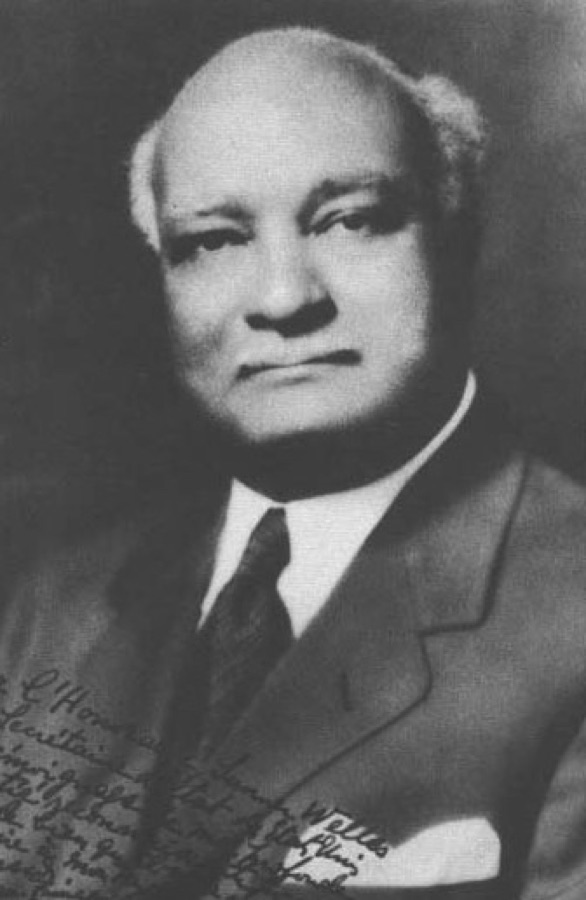
Fifty-two years ago, on October 20, 1974, Élie Lescot died in Laboule. A pharmacist, diplomat, and politician, he served as President of Haiti from May 15, 1941, to January 11, 1946.
GAdd NAGO.TV to your Google sources
By NAGO News
2 min read
From the counter to diplomacy
Born on December 9, 1883, in Saint-Louis-du-Nord to a middle-class family, Lescot completed his secondary education in Cap-Haïtien before moving to Port-au-Prince. After becoming a pharmacist, he settled in Port-de-Paix to work in the import-export business. He entered politics following the death of his first wife in 1911 and was elected as a deputy two years later. He later served under Louis Borno and Sténio Vincent, then represented his country as ambassador to the Dominican Republic—where he formed an alliance with Rafael Trujillo—and to Washington DC.
A wartime president
With the tacit support of Washington, he succeeded Sténio Vincent in 1941, receiving 56 out of 58 votes from legislators against Deputy Max Hudicourt, who denounced the process as one of intimidation and corruption. He took personal command of the military guard and appointed his sons to key positions. On December 8, 1941, the day after Pearl Harbor, he declared war on the Axis powers. His government granted a passport to any Jewish person who requested one and considered taking in 50,000 refugees. Facing financial difficulties, he unsuccessfully asked the Americans for a grace period to repay the national debt. Relations with Trujillo eventually collapsed.
The 1946 revolt
Lescot governed by relying on the section chiefs of the rural police. In 1944, seven soldiers captured during a rebellion were executed without a court-martial. In 1946, his attempt to silence the opposition press sparked student protests. These demonstrations were met with a harsh crackdown but soon spread throughout the capital. The military guard refused to obey his orders. Lescot resigned and went into exile in the United States with his ministers, leaving power in the hands of a military junta.
Comments 0