
#ÉDITORIAL · Live feed · Haiti
Colombia once asked Haiti for forgiveness. Now its president speaks of "heroes."
On the night of July 6 to 7, 2021, gunfire broke out around the residence of President Jovenel Moïse in Port-au-Prince. His daughter Jomarlie hid in a bathroom with her brother. They held their dog and kept her mouth shut so she would not bark. The president called trusted men for help. Wounded, Martine Moïse waited. "Every minute that went by, I was waiting for someone to come," she told a Miami court last week. No one came. The president was killed. She survived her wounds.
GAdd NAGO.TV to your Google sources
By La rédaction de NAGO
4 min read
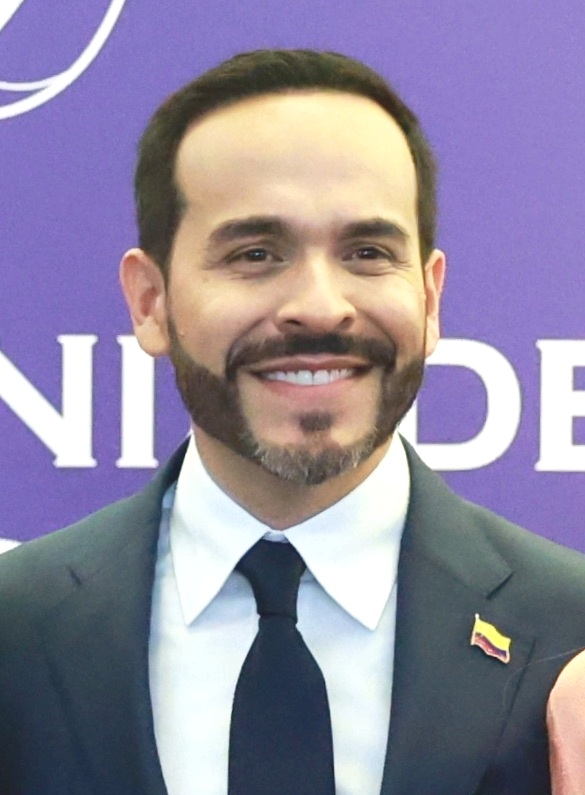
Five years later, Colombia's president, Abelardo de la Espriella, chose one word for the 17 former Colombian soldiers accused in that assassination: "heroes." "I am not the kind of president who abandons his heroes when they face difficulties," he said. In a message posted on his X account this Tuesday, reproduced below, he instructed his defense and justice ministers to provide their legal defense, and announced financial support for their families.
His predecessor, Gustavo Petro, had asked Haiti for forgiveness for a crime "committed by Colombian mercenaries." In one sentence, Colombia has gone from apology to praise. Our position is clear: a country has the right to defend its citizens, but not to turn into heroes men accused of killing another country's president. By doing so, Colombia's president takes sides in a matter that belongs first to Haiti.
What we know about the plot
The facts established so far leave no room for heroism. In May, a federal jury in Miami convicted four men of conspiring to kidnap or kill Jovenel Moïse, the Miami Herald reported. Among them were the two co-owners of CTU, a Florida security company, Arcángel Pretel Ortiz and Antonio Intriago. According to prosecutors, they recruited about 20 former Colombian soldiers and sent them to Port-au-Prince roughly a month before the killing. The kidnapping plan became a plan to kill. Six other co-conspirators had already pleaded guilty.
In Haiti, the courts never held a trial. Investigating judges came and went, judicial officials were threatened, and the investigation was reopened in 2025. On September 21, a U.S. military plane flew 18 suspects to Miami, among them the 17 Colombians and former official Joseph Félix Badio. The trial of pastor Christian Emmanuel Sanon, who prosecutors say hoped to take the president's place, is under way in Florida right now.
Why the word is wrong
First, it judges before the judges do. These 17 men have not been tried, and they remain presumed innocent. But the presumption of innocence also forbids acquitting them in advance. When a head of state speaks of heroes, he is also speaking to jurors and witnesses.
Second, it erases the victims. A family was attacked in its own home. A country lost its elected president, and has lived for five years without answers. That grief is not a matter of national pride for Bogotá.
Third, it contradicts Colombia's own word. A state does not change its memory with every election. Yesterday's apology committed the country. So does today's praise.
What Colombia has the right to do
Let us be fair. Providing a lawyer to citizens prosecuted abroad is normal. President De la Espriella says he wants "the individual responsibility of each one" to be established. On that point, we agree with him. One can defend a man without glorifying him.
What Haiti must do
The trial is taking place in Florida, but it is still ours. The Haitian government must tell Bogotá publicly that this word is unacceptable. It must follow the trial closely, so that the victims' voice is heard there. And we, Haitians at home and in the diaspora, must refuse to let this case be forgotten because it has left the country.
That night, a young woman held her dog's mouth shut to survive, and her mother waited for help that never came. There were no heroes.

Les he dado la instrucción a los señores ministros de Defensa y de Justicia de brindar asistencia jurídica a los militares detenidos en Estados Unidos por su presunta participación en el asesinato del presidente de Haití, así como apoyo económico a sus familias. No pueden pagar justos por pecadores. Quiero saber exactamente qué ocurrió y que se esclarezca la responsabilidad individual de cada uno. […] 6 octobre 2026
View on XReporting by Abelardo De La Espriella sur X (6 octobre 2026)
Miami Herald, via Tribune News Service (9 mai 2026)
The Haitian Times (21 septembre 2026)
Comments 0