
Haiti's Electoral Decree Revised Again
The Prime Minister’s Office has introduced new amendments to the electoral decree on October 6, 2026. These changes follow previous revisions from June and July of this year.
GAdd NAGO.TV to your Google sources
By NAGO News
2 min read
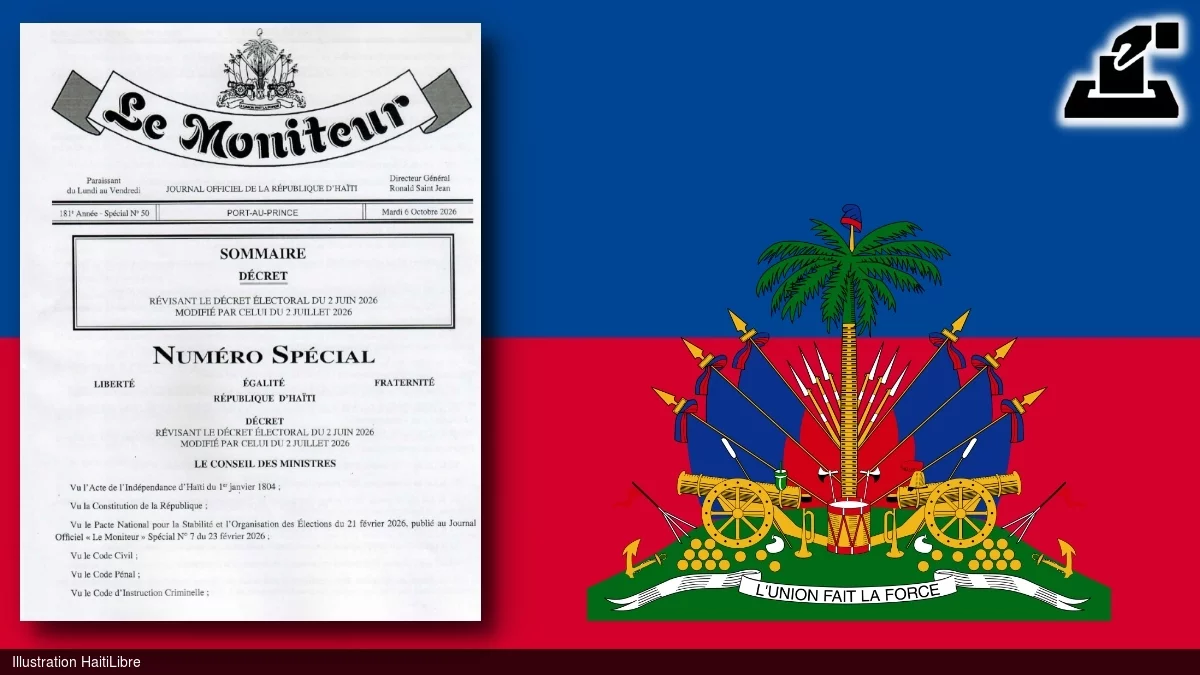
Several eligibility criteria have been relaxed, including requirements for financial standing and international conduct. Paragraphs that previously required certificates proving candidates were not subject to bans or sanctions by foreign entities like the UN Security Council and OFAC have been eliminated. Similarly, paragraphs requiring certifications from institutions such as the National Old-Age Insurance Office (ONA) and the Industrial Development Fund (FDI) attesting to a candidate’s financial status are no longer in place.
The decree now replaces negative police record certificates with asset declarations for candidates while simplifying mental health requirements to standard medical certificates. Additionally, the 2% quota for persons with disabilities within the Electoral Office has been removed, and provisions defining duties of the CEP's steering body have been repealed.
Financial thresholds for various positions are also adjusted:
- Chamber of Deputies candidates now need 100,000 HTG.
- Municipal Council candidates require 50,000 HTG.
- CASEC candidate cartels must pay 15,000 HTG.
- Individual CASEC candidates need only 5,000 HTG.
The CEP’s reporting deadline has been extended from 15 to 30 days. Validation of parties with 25,000 members is now handled directly by the CEP rather than the Ministry of Justice. Incumbent mayors have a relaxed resignation period if their candidacy is validated within seven days following decree publication.
The initial election and referendum deadlines scheduled for December 13, 2026 remain unconfirmed pending further scheduling updates.
Article 76 retains requirements to be in good standing with the Haitian tax authorities but now operates independently of other financial vetting processes. Former public officials must still obtain a formal discharge from the Superior Court of Auditors and Administrative Disputes (CSC/CA).
Reporting by HaitiLibre
Comments 0