
An Op-Ed Calls for a Crash Literacy Campaign in Haiti Modeled on Cuba's
By NAGO News
2 min read
In an op-ed published by Le National, the author argues that illiteracy in Haiti stems from a lack of political will, organization and institutional courage. The author rejects the idea of historical fatality, as well as the idea that the population lacks intelligence or ability. The text is written in the first person, and the newspaper does not say who the author is in the excerpts available.
A Challenge from a Friend
The author recounts that a friend told them that, were they president, they would not know where to begin in tackling illiteracy. That remark led the author to write down an idea they say they have held for years. The author acknowledges that, for some citizens, the problem is a bottomless pit in financial and logistical terms.
The Cuban Precedent
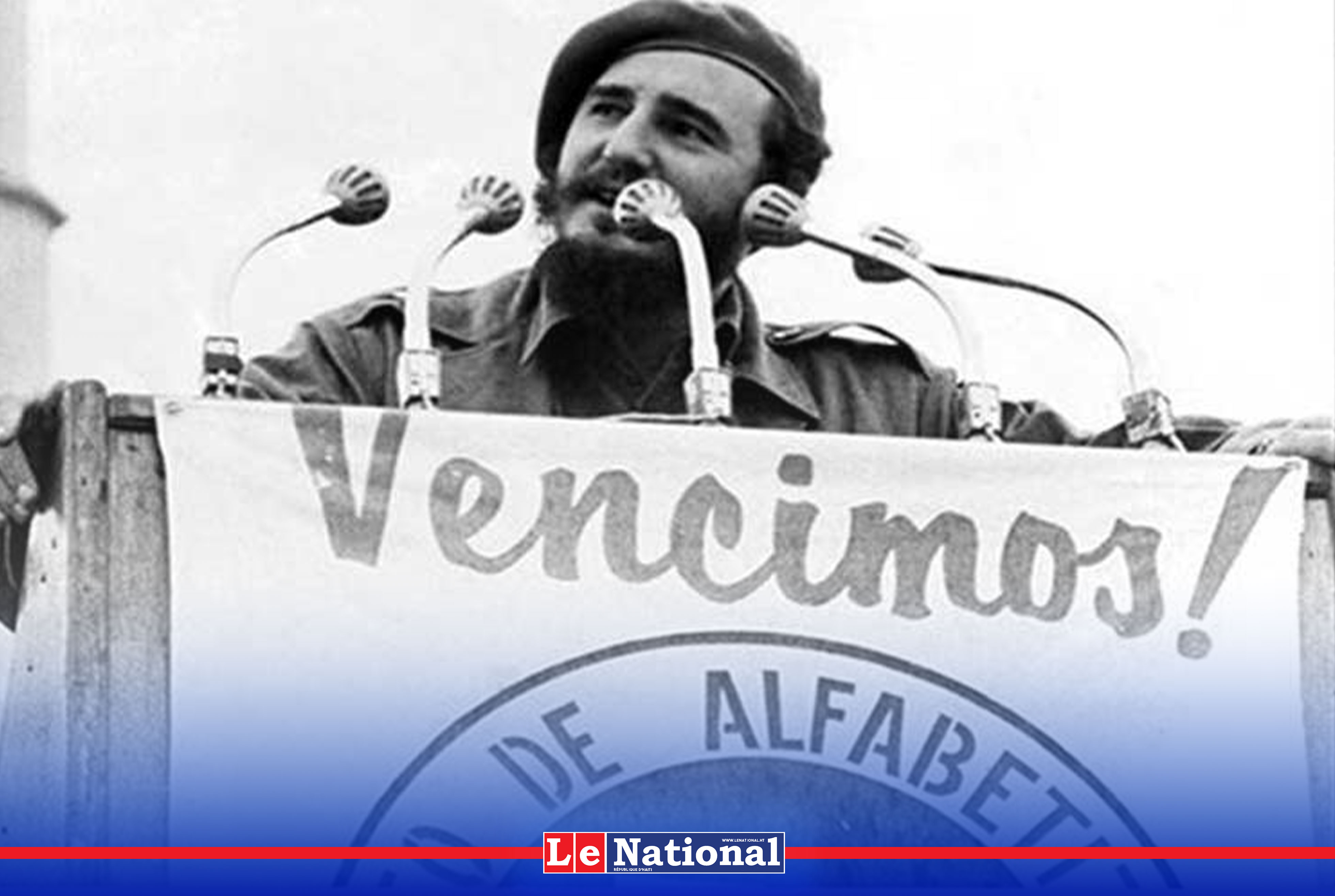
The author draws on the example of Cuba. Between 1959 and 1961, according to the author, more than 250,000 students, high schoolers and volunteers were mobilized across the whole island. The illiteracy rate is said to have fallen from 23% to under 4%. Cuba is said to have become the first territory in the Americas officially freed of illiteracy. The author sees this as the result of firm political leadership and a patriotic mobilization.
A Firsthand Experience in Venezuela
The author writes of having studied in Venezuela. There, they saw the Cuban model applied on a national scale in the Misión Robinson, in which they say they took part on the ground. The author cites the audiovisual method Yo Sí Puedo among the techniques for rapid teaching. The author describes adults able, for the first time, to sign their name on an official document, read a prescription meant for their children or check prices at the market. From this the author draws the following question: if other nations have succeeded, why would Haiti be unable to?
What We Don't Know
The article is reserved for logged-in readers, and the rest of the text is not accessible. We therefore do not know what concrete measures the author proposes for Haiti. The figures on Cuba come from the op-ed alone, and nothing in the file makes it possible to cross-check them.
Videos
Watch now.
Reporting by Le National
Comments 0