
A drop in remittances from the diaspora could threaten Haiti's economic stability
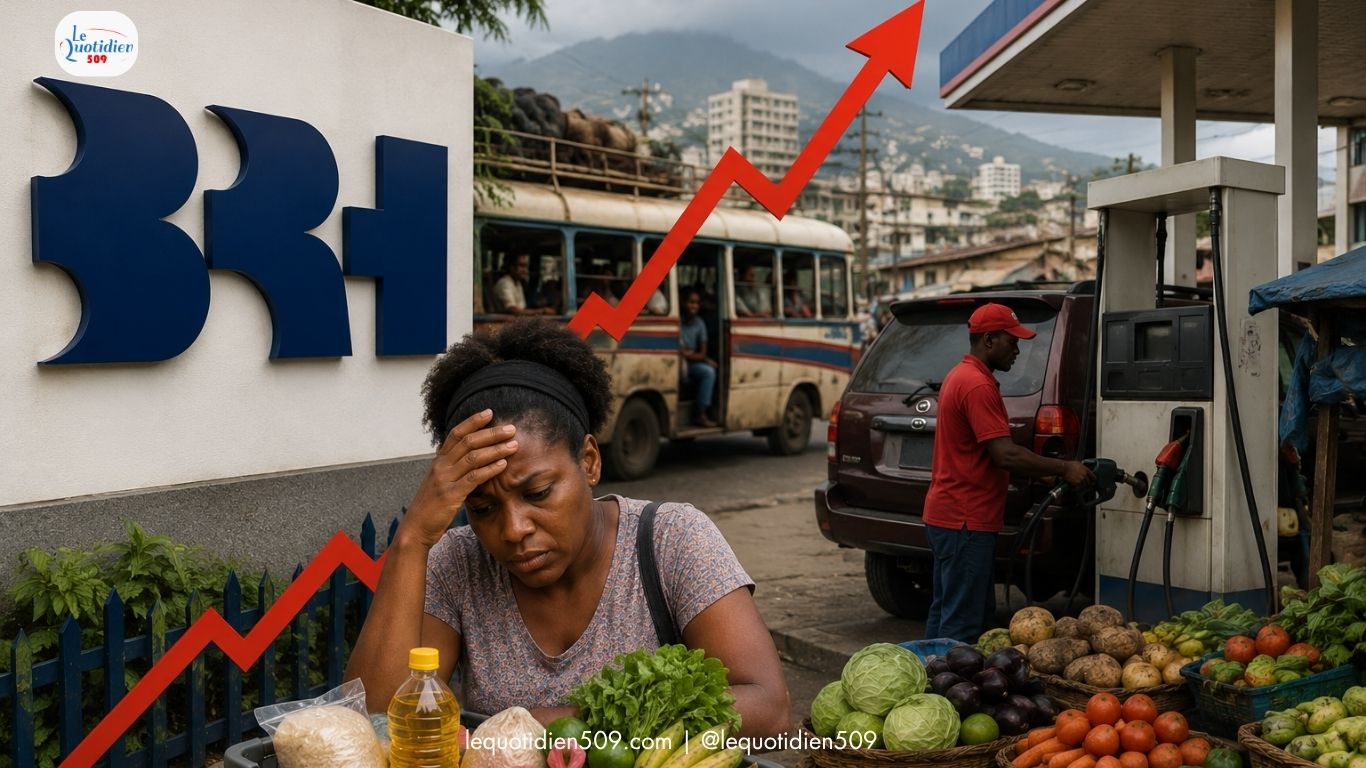
A study conducted by researchers at the Bank of the Republic of Haiti (BRH) highlights the country's vulnerability to a potential decrease in funds sent by the diaspora. According to Le Quotidien 509, these financial flows represent an average of 19% of Haiti's gross domestic product (GDP). This level of dependency is significantly higher than the 5.8% average observed in the rest of Latin America and the Caribbean.
GAdd NAGO.TV to your Google sources
By NAGO News
2 min read
A strong geographical concentration
Money transfers to Haiti come primarily from the United States. According to data reported by Le Quotidien 509, approximately 80% of these funds originate from American territory. This concentration makes the national economy particularly sensitive to changes in immigration policies, income fluctuations, and the state of the job market in the United States.
The uncertain impact of migratory status
Researchers Kensley Blaise, Jean Marie Cayemitte, and Jean Gardy Victor analyzed the risks associated with changes to Temporary Protected Status (TPS). The newspaper reports that, according to these experts, a modification of this status would not necessarily cause an immediate drop in remittances. Migrants have ways to adapt, such as using their savings or reducing their own expenses, to maintain their financial support for families remaining in Haiti. TPS is therefore considered a risk factor rather than a direct and automatic cause of a financial shock.
Consequences for public finances
A lasting decline in transfers would have repercussions beyond the beneficiary households. According to Le Quotidien 509, such a decrease would affect overall consumption and reduce the inflow of foreign currency into the country. This scenario would put pressure on international reserves and the exchange rate. The study also specifies that reduced economic activity would limit state tax revenues, thus constituting one of the most persistent effects of a potential financial shock.
Reporting by Le Quotidien 509
Comments 0