
Persistent tensions surrounding Haitians 89 years after the Parsley Massacre
Tensions surrounding the Haitian presence remain high in the Dominican Republic, eighty-nine years after the 1937 massacre. According to Vant Bèf Info, arrests and deportations of Haitian migrants continue despite the distance from the historical tragedy.
GAdd NAGO.TV to your Google sources
By NAGO News
1 min read
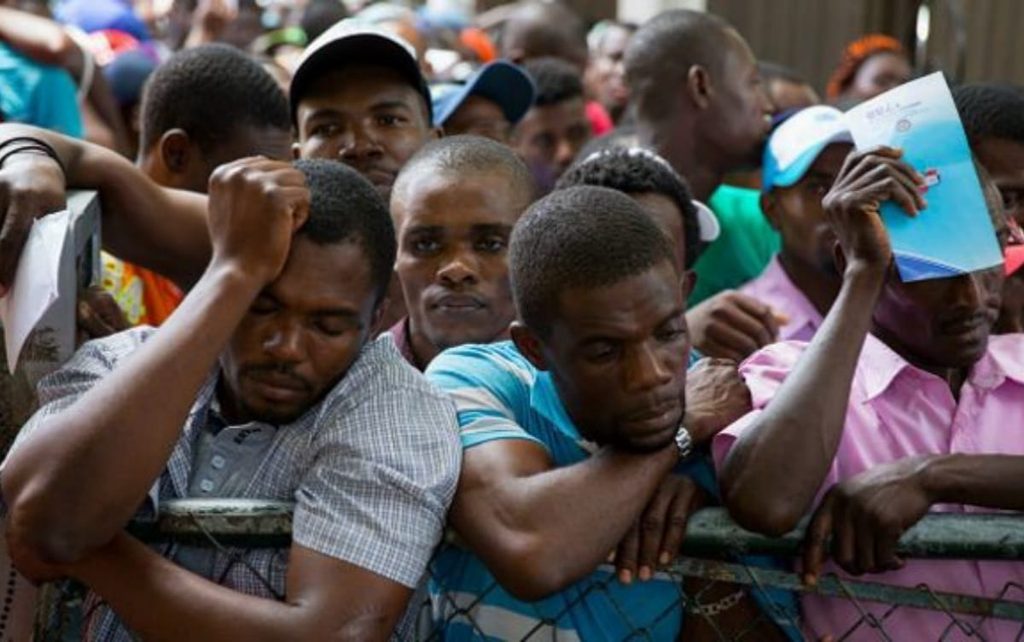
The Parsley Massacre was perpetrated under the dictatorship of Rafael Leónidas Trujillo in 1937. Massive violence targeted Haitians and Dominicans of Haitian descent, primarily in the Dominican northwest. According to historical accounts, some soldiers used the pronunciation of the Spanish word "perejil" (parsley) to identify people suspected of being Haitian.
Estimates of the number of victims vary between several thousand and approximately 30,000 dead, according to Vant Bèf Info. The Dajabón River, where many attempted to flee toward Haiti, is now known as the "Massacre River."
In 2013, a ruling by the Dominican Constitutional Court stripped tens of thousands of people of Haitian descent of their Dominican nationality. According to Human Rights Watch, this decision led to difficulties for these individuals in accessing identity documents and certain services.
On September 11, the Dominican General Directorate of Migration announced the deportation of 485 Haitians through the Elías Piña border crossing. These individuals had been arrested for being unable to prove their regular migratory status.
The memory of the massacre remains closely linked to the relations between the two countries sharing the island, fueling debates over discrimination and the control of irregular immigration.
Reporting by Vant Bèf Info
Comments 0