
Civics education adapts to Haiti's new realities
Civic and moral education has long been a key element of the education of young Haitians. Textbooks like "J’aime Haïti: Instruction civique et morale," written by Guy Constant and published by Éditions Henri Deschamps, have played an important role in teaching national symbols and fundamental principles of citizenship.
GAdd NAGO.TV to your Google sources
By NAGO News
1 min read
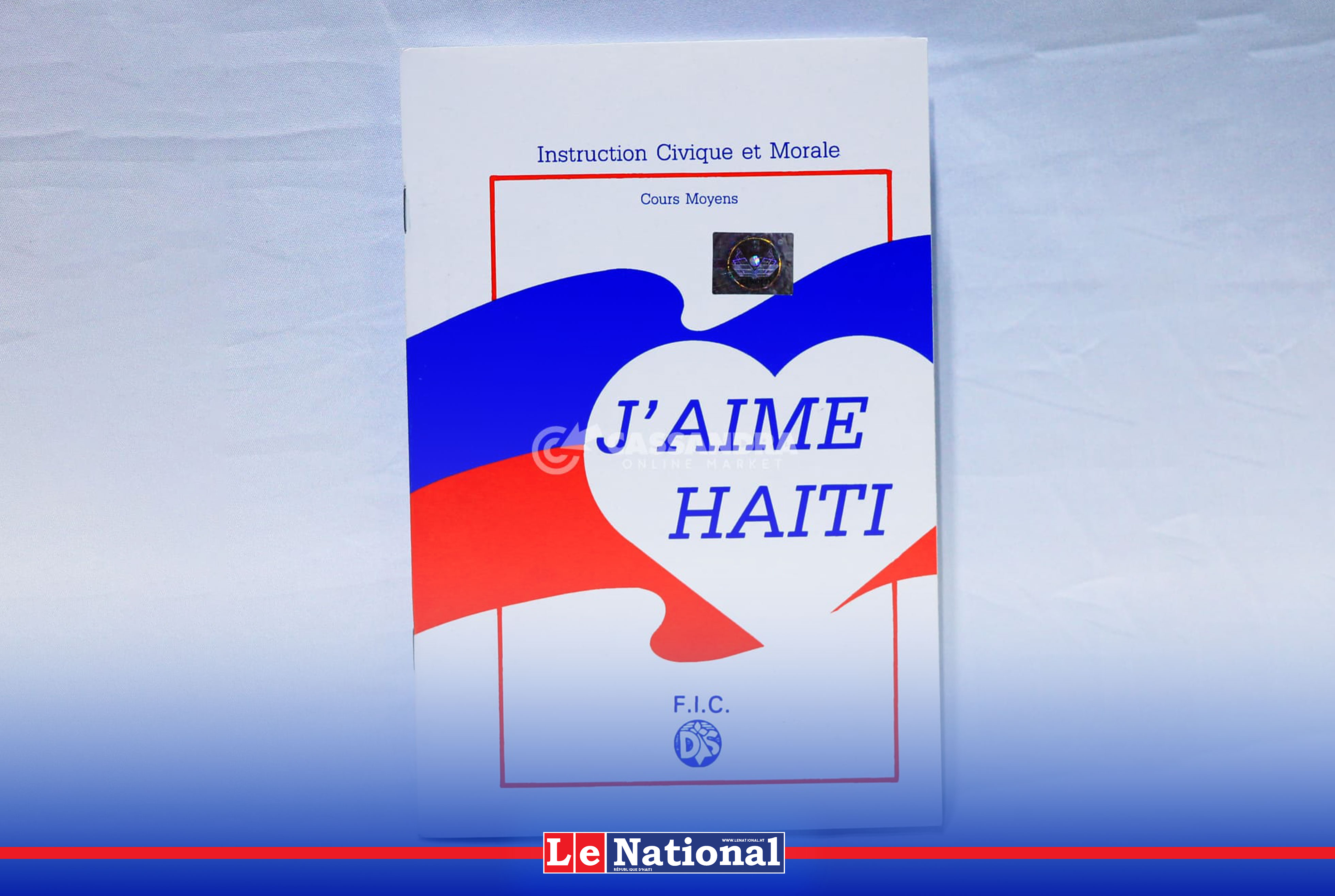
After the adoption of the 1987 Constitution, these textbooks were updated to reflect the new institutional realities of the country. Children learned about the history of the Haitian flag, the national anthem "La Dessalinienne," and major national holidays such as May 18 which celebrates Flag Day.
Today, it is necessary to move beyond this traditional approach. Civic education must prepare students to understand their role in society, their rights and responsibilities, and encourage them to actively participate in the development of the country.
New Requirements for Civic Education
The modernization of civic instruction aims to form citizens capable of acting concretely in society. Learning is no longer limited to memorization but encourages critical and active understanding.
Updates to the Program
Textbooks like "J’aime Haïti" have been revised to include contemporary concepts of citizenship. These works sensitize students to respect for public property, democratic values, and social responsibility.
Future Perspectives
The continued evolution of the civic instruction program aims to form a new generation of engaged and informed citizens, capable of actively contributing to Haiti's future.
Reporting by Le National
Comments 0