
Jean Renel Sénatus launches the debate on mortuary law, one year after the fire at his university
By NAGO News
2 min read
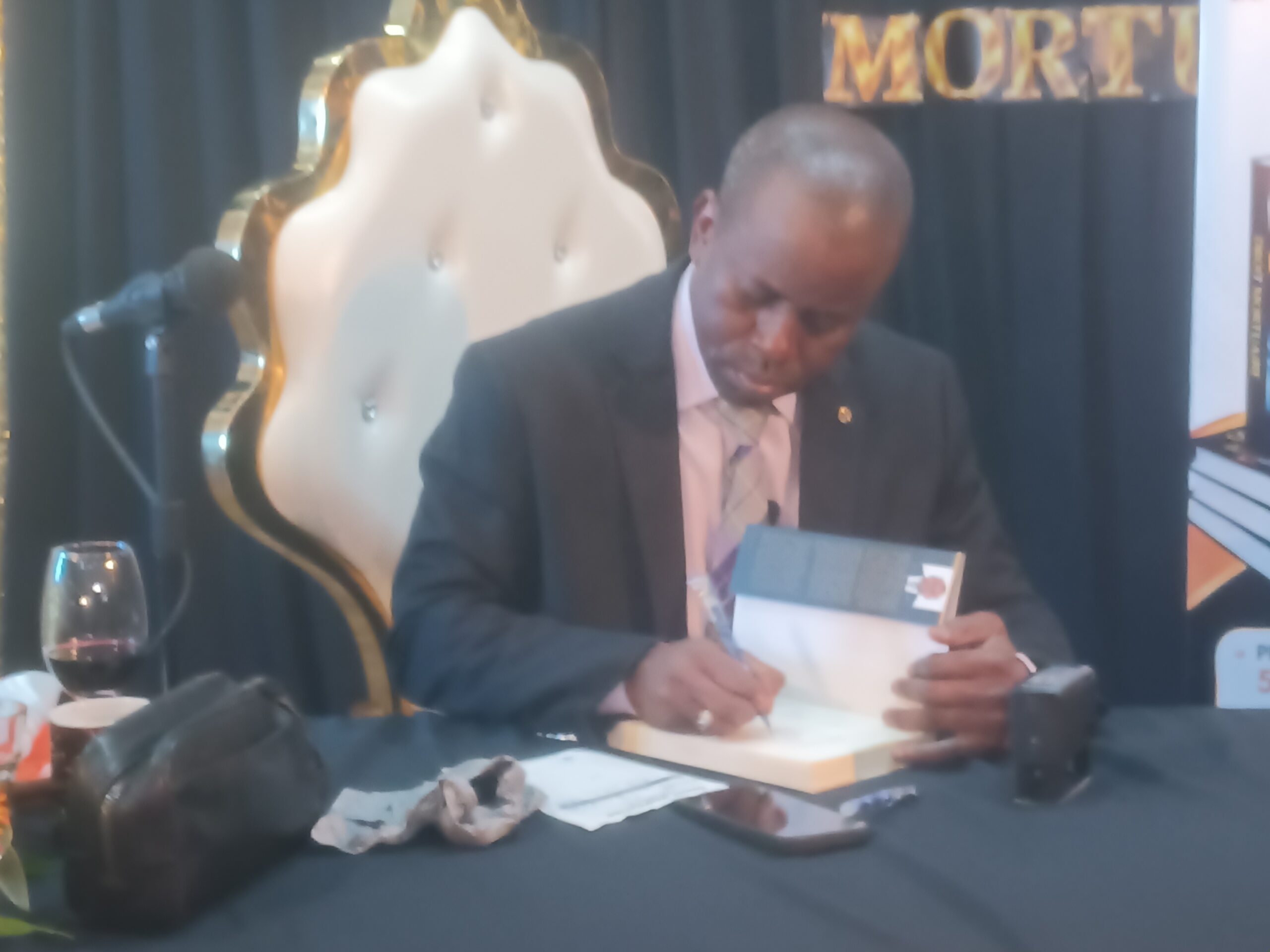
Former senator Jean Renel Sénatus sold and signed his book on death and zombification at the Hotel Montana on Sunday, November 1st, the Day of the Dead. The two media outlets consulted, Le Quotidien 509 and Haiti24, agree on the main point: the author wants to open a discussion on the relationships between beliefs, funeral practices, and the law in Haiti.
An audience from various backgrounds
According to Le Quotidien 509, political figures, former parliamentarians, lawyers, magistrates, funeral home managers, students, and schoolchildren responded to the invitation. The Ombudsman, Me Jean Wilner Morin, was present. Haiti24 adds two names: former Minister of Justice and former Bar Association president Me Carlos Hercule, and former Marigot deputy Déus Deronneth, who each purchased a copy.
What the work examines
The book, titled *Droit mortuaire*, addresses the dignity of the deceased after death. According to Le Quotidien 509, the author argues that from the moment of death, the corpse ceases to be a subject of law and becomes a legal object, without losing all protection. He defends respect for the remains, the image, and the dignity of the dead.
The text also deals with the management of cemeteries, the responsibilities of municipal authorities, and disputes between heirs over final wishes written in a will. The lack of public policy regarding mortuary matters is presented as a focus for reflection. The author specified that his research dates back to his time in parliament, where a text on the subject could not be adopted before the end of his term.
Zombification and "zombiphobia"
Haiti24 indicates that Jean Renel Sénatus describes the stages of zombification as a complex phenomenon that some initiates are said to be able to master, according to the beliefs he reports. He draws on popular traditions and biblical references. The term "zombiphobia" designates, in the work, the fear that a deceased person might become a zombie. This fear is said to explain extreme practices mentioned in popular imagination: mutilation of bodies, destruction of eyes, and cremation of remains.
An anniversary marked by the fire
He pleaded for the neutralization of armed groups and the restoration of security, and insisted on the role of education, culture, and knowledge in the reconstruction of society.
Videos
Watch now.
Reporting by Le Quotidien 509
By NAGO News
Comments 0